


Portable Toilets for Road Construction Projects: DOT & Traffic Considerations
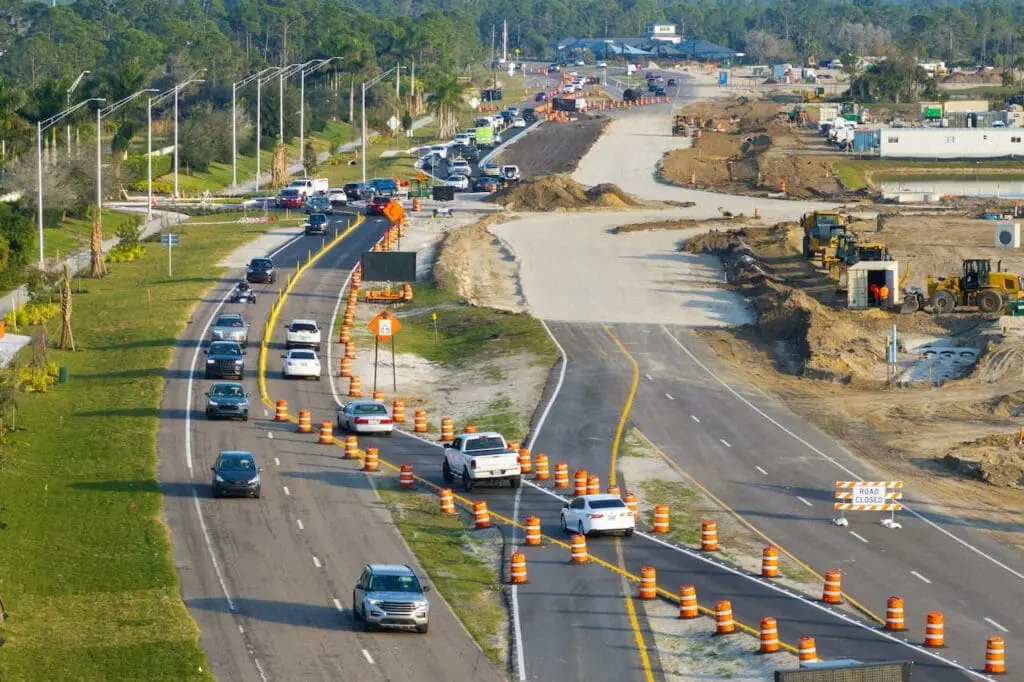
When your crew is working alongside a busy road, the stakes are high. Proper roadside equipment placement isn’t just a box to check, it’s the difference between a smooth, compliant job site and a situation that puts your workers, passing drivers, and your business at serious risk.
From uneven ground that can cause equipment to shift, to the powerful wind gusts thrown off by passing semi-trucks, to visibility hazards that develop fast in low-light conditions, roadside work demands careful planning and execution. And with Department of Transportation (DOT) regulations governing everything from setback distances to reflective markings, there’s a lot to keep straight.
That’s where ASAP Marketplace comes in. Our platform makes it easy to schedule DOT-aware logistics, so your team can focus on the work, knowing the compliance side is handled. But first, let’s walk through what safe and compliant roadside equipment placement actually looks like.
Understanding DOT Roadside Placement Regulations
The Department of Transportation sets the rules for how equipment can be staged and operated near active roadways. These regulations are designed to protect both road crews and the traveling public, and they cover everything from how far back your equipment needs to sit from traffic to what kind of traffic control plans you need in place before work begins.
Understanding these rules isn’t just about avoiding fines, it’s about running a professional, safety-first operation.
Setback Distances
One of the most fundamental requirements for roadside equipment placement is maintaining proper setback distance, the minimum gap between your equipment and the nearest active travel lane. These distances vary based on road type and the speed of traffic and getting them wrong can create serious hazards.
Here’s a general reference for recommended minimum setback distances:
| Road Type | Posted Speed Limit | Min. Setback from Travel Lane |
| Local Road / Residential | Under 25 mph | 2 feet |
| Urban Arterial | 25–45 mph | 4–6 feet |
| Rural Highway | 45–55 mph | 8–10 feet |
| Interstate / Freeway | 55+ mph | 12–15 feet (or behind barrier) |
Note: Always verify setback requirements with your state DOT, as requirements can vary. Federal Highway Administration (FHWA) guidelines and the Manual on Uniform Traffic Control Devices (MUTCD) are the primary references for most jurisdictions.
Shoulder Width Considerations
Even if you’ve met the setback distance, the shoulder needs to be wide enough to safely accommodate your equipment. Placing equipment on a narrow shoulder creates dangerous conditions for your crew, and for drivers who may drift or need to pull over.
As a general rule of thumb, equipment should only be placed on shoulders that are at least as wide as the equipment footprint plus a 2-foot buffer on each side. For larger equipment like generators, trailers, or compressors, you may need to work within a designated work zone with physical barriers.
When evaluating shoulder suitability, consider: paved vs. unpaved surface condition, drainage slope (cross-slope should not exceed 8% for stable placement), proximity to drainage ditches or drop-offs, and whether the shoulder is designated as a breakdown lane.
Visibility and Line-of-Sight Requirements
Drivers need ample warning that equipment is present especially at highway speeds. DOT regulations and MUTCD guidelines require that equipment and work zones be visible far enough in advance to allow drivers to slow down, merge, or stop safely.
Key requirements include reflective markings on all equipment and barriers facing traffic, appropriate lighting during low-visibility conditions (dawn, dusk, night, or inclement weather) and advanced warning signage placed at required distances based on speed limits.
| Reflective Marking Type | Typical Visibility Distance | Best For |
| Type I (Engineer Grade) | Up to 300 feet | Low-speed local roads |
| Type III (High Intensity) | Up to 500 feet | Arterials and rural highways |
| Type IV (Diamond Grade) | 700+ feet | High-speed roads and interstates |
| LED/Active Lighting | 1,000+ feet | Night work, poor visibility conditions |
Stabilization and Environmental Challenges
Even when equipment is placed correctly from a regulatory standpoint, physical site conditions can create hazards that aren’t always obvious at first glance. Uneven terrain, soft ground, and exposure to wind from passing traffic are some of the most common and underestimated challenges crews face.
Stabilization on Uneven Ground
Equipment placed on a slope or uneven surface can shift, tip, or vibrate into traffic, especially when a large truck rolls by and creates ground vibration. Before setting anything down, assess the surface and use appropriate stabilization methods.
| Ground Condition | Recommended Stabilization Method |
| Paved, level | Wheel chocks + outrigger pads |
| Paved, sloped | Wheel chocks + leveling jacks + tie-down straps |
| Gravel or compacted dirt | Wide outrigger pads + cribbing blocks |
| Soft soil or grass | Timber mats + anchoring stakes |
| Muddy or saturated | Equipment mats + temporary gravel bed |
Always check that equipment is level and stable before leaving it unattended. A quick stability check before walking away can prevent a serious incident.
Wind Exposure from Passing Trucks
This one surprises a lot of crews. A semi-truck passing at 65 mph can generate a wind gust of 50 mph or more enough to shift lightweight equipment, knock over signage, or send unsecured items into the roadway.
To protect against wind exposure from passing traffic, consider these measures: anchor all lightweight equipment using tie-down straps or ground anchors, place heavier equipment as a windbreak where possible, secure all loose items including tools, cones, and signage, and use weighted bases for traffic control devices rather than relying solely on their own mass. Tall, narrow equipment like portable light towers or message boards should be anchored with guy wires or outrigger legs fully extended at all times when deployed near high-speed traffic.
Traffic Control and Safety Protocols
Placing your equipment safely is only half the equation. You also need a solid traffic control plan that keeps both your crew and passing drivers protected throughout the duration of the job.
Traffic Control Plan Essentials
A DOT-compliant traffic control plan (TCP) typically includes advance warning signage, transition zones with tapers, buffer zones, and work area markings. The MUTCD provides standardized layouts for different work zone scenarios.
Core components of a well-executed TCP include: advance warning signs (placed at appropriate distances based on speed), channelizing devices such as cones, drums, and barriers, a transition taper that merges traffic away from the work area, a buffer space between the taper and the actual work zone, and flagger control or signal control where appropriate.
For most roadside equipment placement scenarios, even short-duration work requires at minimum: a series of advance warning signs, cones or delineators to channelize traffic, and high-visibility vests for all personnel.
Servicing Safety Protocols
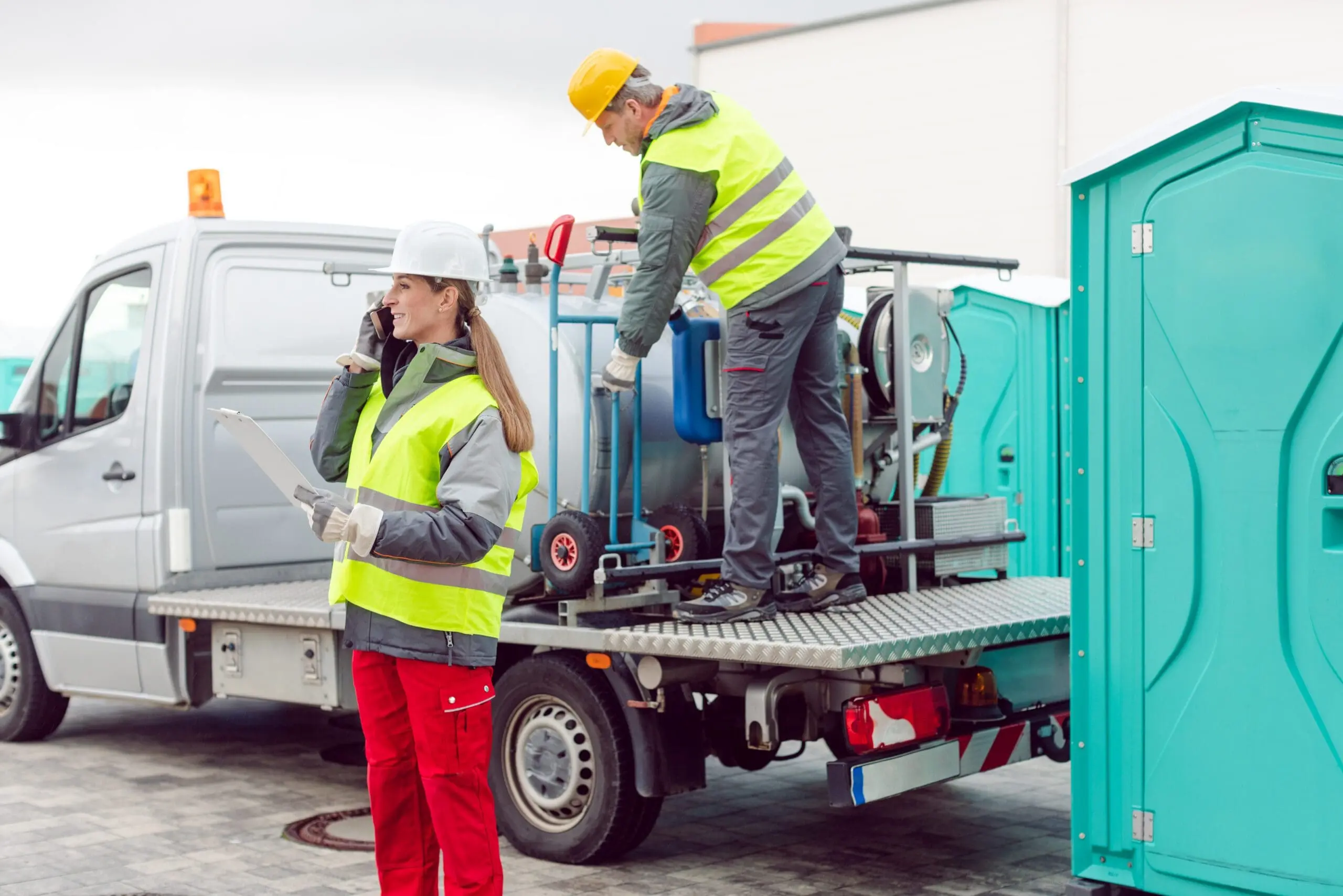
Servicing equipment in an active roadside environment is one of the higher-risk activities your crew will perform. Having a repeatable, documented process protects everyone.
Servicing Checklist for DOT Compliance:
✅ Confirm all advance warning signs and channelizing devices are in place before approaching equipment
✅ Don all required PPE: high-visibility vest (ANSI Class 2 minimum), hard hat, and appropriate footwear
✅ Position the service vehicle to provide a physical buffer between the crew and traffic
✅ Deploy additional cones or delineators around the service area as needed
✅ Never turn your back to traffic; assign a spotter when possible
✅ Complete servicing quickly and efficiently, minimize time in the work zone
✅ Remove all tools and materials before breaking down the traffic control setup
✅ Remove traffic control devices in reverse order of placement (work from the downstream end)
Reflective Markings and Visibility Enhancements
Visibility is your first line of defense. Equipment that can’t be seen can’t be avoided. DOT guidelines and state-level regulations specify minimum reflective marking requirements for equipment staged in or near roadways, and going beyond the minimum is always a smart move.
| Equipment Type | Recommended Reflective Marking | Additional Visibility Aids |
| Generators / Power Units | Type III reflective tape on all sides facing traffic | Amber beacon light |
| Trailers (stationary) | DOT-compliant red/amber reflector pattern | Perimeter LED rope lighting |
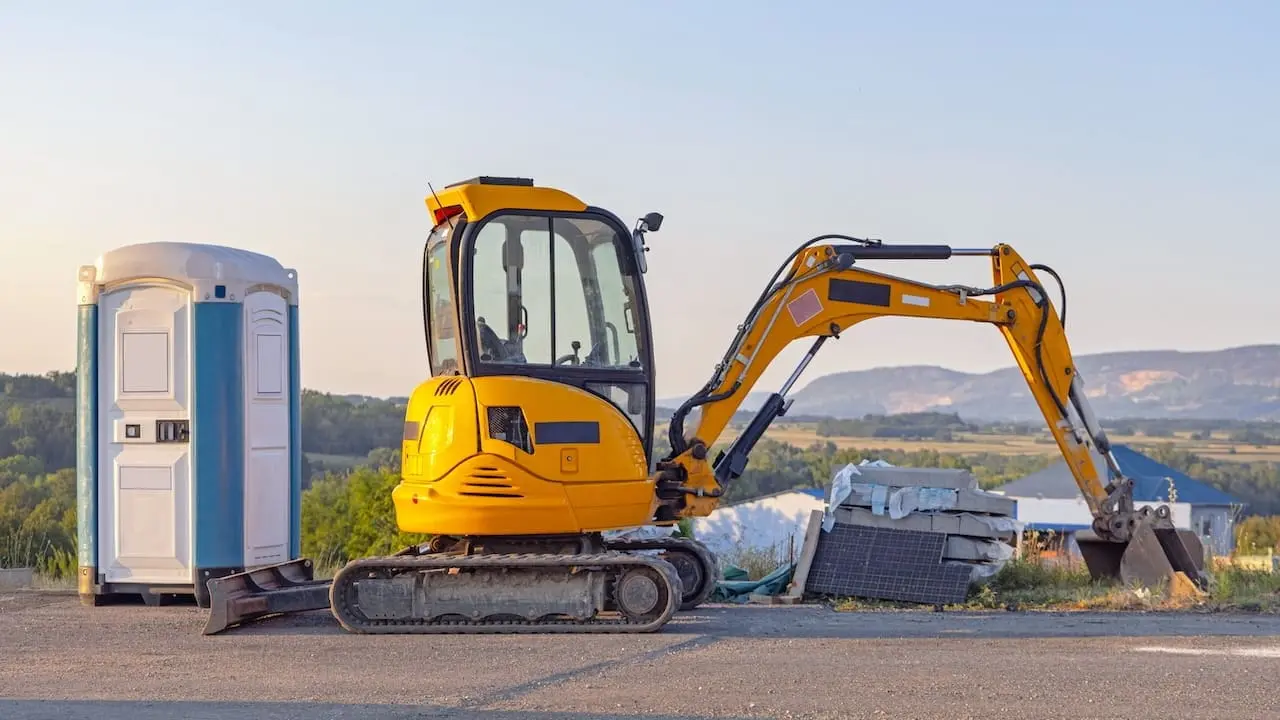
| Portable Restrooms | Type III tape on rear and sides | Retroreflective cone around base |
| Storage/Tool Boxes | Type III tape on exposed corners | Reflective flag or paddle |
| Message Boards / Signs | Built-in retroreflective sheeting | Active LED display (illuminated) |
| Light Towers | High-intensity reflective tape on legs | 360-degree lighting when active |
Pro tip: Inspect reflective tape regularly. Tape that’s faded, peeling, or covered in road grime loses effectiveness fast. A quick inspection at the start of each shift keeps you compliant and visible.
Ready to Simplify Your Roadside Logistics? ASAP Marketplace Has You Covered.
Keeping up with DOT requirements while managing equipment placement, crew schedules, and job site logistics is a lot to juggle. That’s exactly why ASAP Marketplace exists.
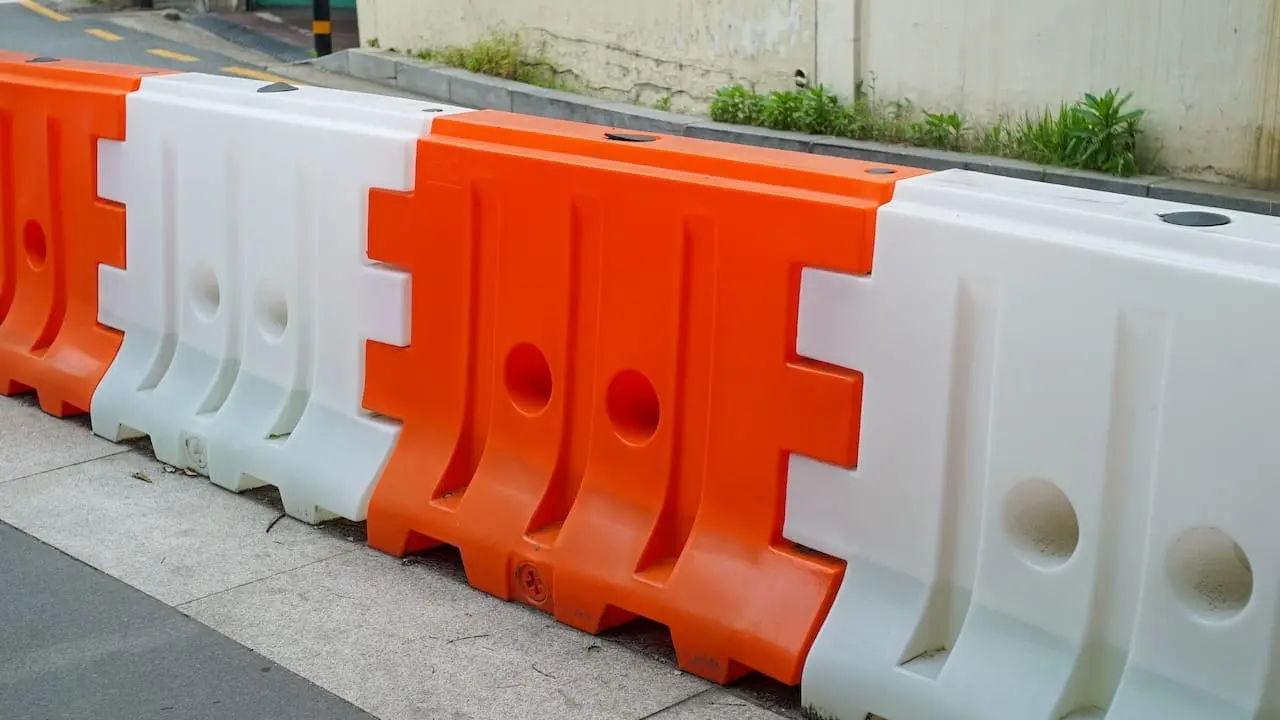
We connect you with DOT-aware service providers who understand the specific demands of roadside work from scheduling equipment drops at compliant locations to coordinating servicing windows that minimize crew exposure. Whether you need portable restrooms, storage, or temporary fencing and traffic barricades placed right the first time, we make the logistics seamless so your team can focus on the job.
Here’s what you get when you work with ASAP Marketplace:
- Vendors who understand DOT placement requirements
- Flexible scheduling that works around your traffic control windows
- Transparent pricing with no surprise fees
- Fast, reliable service when your crew is working on a deadline
Don’t risk under- or over-ordering on your jobsite. ASAP Marketplace helps you plan the right number of units, with bundled servicing that scales to your crew and project needs.
Check out our roll-off dumpsters and portable toilet rentals to coordinate full jobsite support with ease.
Get accurate quality recommendations today and keep your project running smoothly.
