


OSHA Guidelines for Construction Site Fencing & Barricades
Nobody shows up to a construction site hoping to navigate a maze of hazards with no warning signs, no barriers, and no sense of where the danger zones end and the safe zones begin. And yet, without a solid plan for perimeter control, that is exactly what you get. Meeting OSHA safety fence requirements is not just a paperwork exercise or a box to check before an inspector arrives. It is the foundation of a site that runs safely, efficiently, and without the kind of surprises that make everyone’s day considerably worse.
From trenches that could swallow a piece of equipment whole, to material yards that double as obstacle courses after dark, proper fencing and barricades are what stand between your project and a whole lot of liability. This guide breaks down what OSHA actually expects, how to build a compliant system from the ground up, and how to keep it that way from the first day of dirt work to the final walkthrough.
What OSHA Requires for Construction Site Fencing and Barricades
OSHA’s construction safety standards live inside 29 CFR Part 1926, a regulation that covers everything from excavation rules to signage color requirements. What surprises many contractors is that OSHA does not prescribe a single universal fencing specification. Instead, it requires effective hazard prevention systems, which means the burden falls on you to demonstrate that your perimeter controls actually do the job.
The key standards to know are 1926.34, which covers emergency egress and requires that exits from any structure or fenced enclosure remain unobstructed at all times; 1926.501, which addresses fall protection near excavations and leading edges; 1926.651, which sets out excavation-specific barricade requirements; and 1926.1424, which handles work area control and requires that hazard boundaries be clearly marked with control lines, warning lines, or physical barriers.
What those standards add up to is a practical framework: keep the public out, keep your workers informed about where the hazards are, make sure everyone can get out in a hurry if they need to, and document that your system is doing what it is supposed to do. Simple in concept, more involved in execution.
TL;DR
- OSHA requires construction sites to use effective fencing, barricades, signage, and access control to prevent hazards and unauthorized entry.
- Key safety priorities include excavation barriers, emergency exits, controlled access points, and proper lighting for night work.
- Daily fence inspections and documentation help maintain compliance and reduce liability risks.
- Well-planned perimeter control improves site safety, organization, inspections, and overall project efficiency.
Key Components of OSHA-Compliant Construction Fencing Systems
1. Perimeter Fencing for Excavations and Hazard Zones
Trenches and deep excavations are among the most unforgiving hazards on any job site. OSHA standard 1926.651 requires that employees be protected from excavated materials or equipment that could fall or roll into an excavation, and that daily inspections of excavations and their adjacent areas be performed by a competent person. Fencing is the primary tool that keeps unauthorized workers and the public from wandering into those zones in the first place.
The general rule for residential construction sites is a minimum fence height of four feet. Commercial sites typically go to six feet, particularly in urban areas where pedestrian traffic is heavier and the city may have its own requirements on top of federal ones. Chain-link panels are the industry workhorse here: durable, visible, fast to install, and easy to reconfigure as the project phases change. Whatever material you choose, the fence needs to be stable enough that it stays put through the kind of wind and site activity that are just part of the job.
Around heavy machinery zones, the fencing serves a slightly different purpose. It is not just about keeping people out; it is about creating a clear visual and physical signal that the rules change inside that boundary. Workers who cross into a machinery zone should know exactly what they are walking into before they take that first step.
2. Material Yard Containment Systems
A job site material yard without perimeter controls is basically an invitation. An invitation to theft, to unauthorized access, and to the kind of accidents that happen when curious people wander into areas stacked with lumber, rebar, and equipment that has no interest in being climbed on. Containment fencing around material storage areas accomplishes a few things at once: it keeps materials organized and protected, it creates a controlled access zone that limits who can enter and when, and it provides a clear separation between active work areas and storage areas that helps site logistics run more smoothly.
For sites in urban cores, from downtown Seattle to midtown Manhattan to the rapidly expanding corridors of Nashville and Phoenix, material yard fencing also keeps your project from becoming a neighborhood nuisance. A tidy, well-defined perimeter signals professionalism. A haphazard pile of materials spilling toward the sidewalk signals something else entirely.
3. Lockable Gates and Controlled Access Points
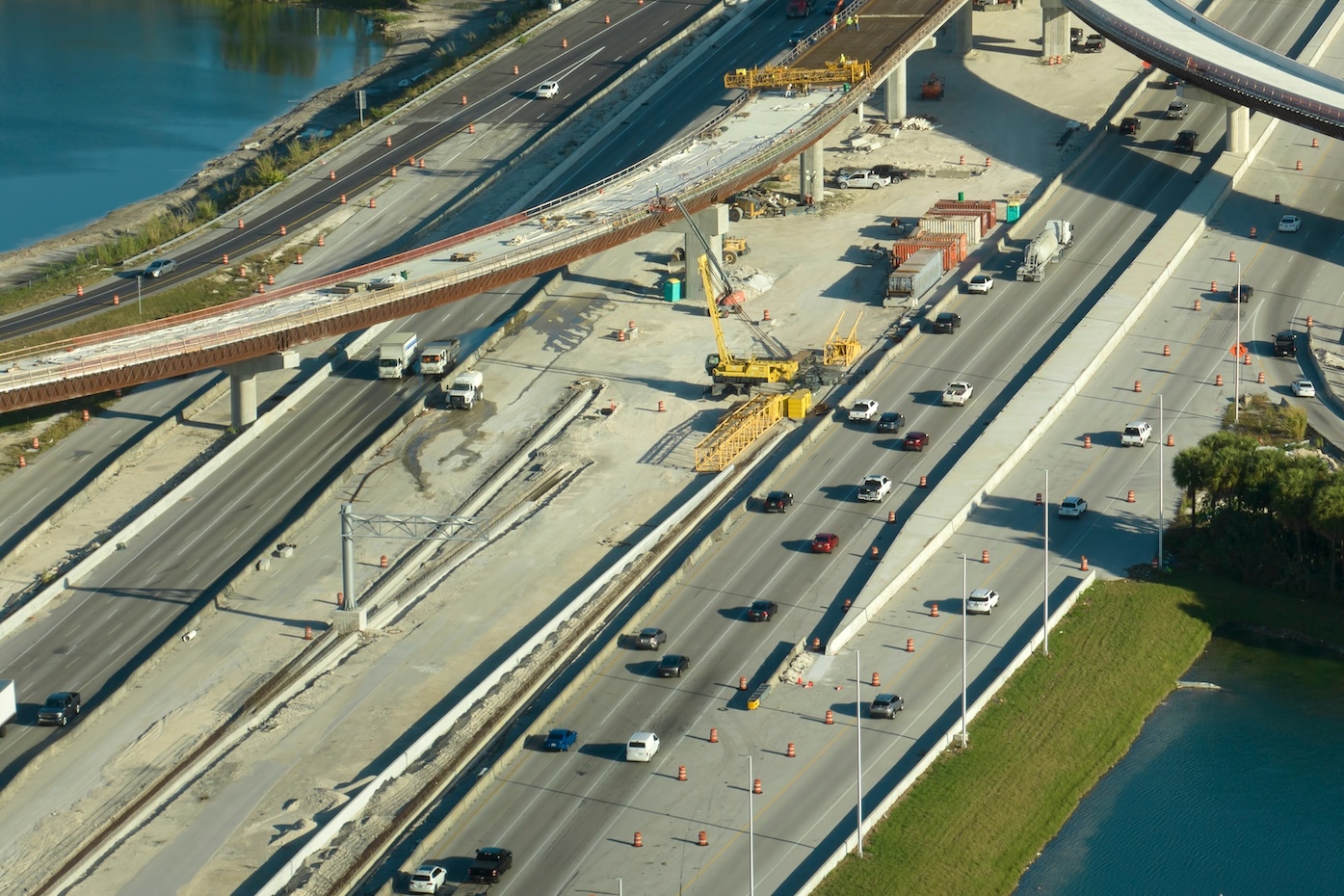
Every compliant perimeter system needs at least one controlled access point, and most sites need several. Gates that can be secured when the site is unoccupied are essential for after-hours security, but during work hours, access control takes on a different dimension. Worker gates and vehicle gates should be separate where possible, keeping foot traffic out of equipment pathways and reducing the chance that someone ends up in the wrong place at the wrong time.
Signage at each access point matters too. OSHA requires that hazardous areas be clearly posted with legible warnings. Your gates are the natural location for those postings: who is authorized to enter, what PPE is required beyond the gate, and what number to call in an emergency. Think of it as the front desk of your job site, except the front desk is a chain-link panel with a padlock and a sign that means business.
4. Emergency Egress Requirements
OSHA standard 1926.34 is clear on this point: exits must be arranged and maintained to provide free and unobstructed egress at all times when a site is occupied. That means your fencing cannot create a cage, even an accidental one. Every enclosed area needs at least one exit that workers can use quickly without having to unlock a gate, move a panel, or call someone for help.
In practice, this means designating emergency exit points that are marked, clear of debris, and operable from the inside without a key. On larger sites, it means mapping those exits into your site safety plan and making sure every worker knows where they are during orientation. An emergency is not the moment to be reading a map or trying to remember which gate was the unlocked one.
It is worth noting that local fire codes in many cities add additional requirements on top of OSHA’s baseline, particularly for sites in dense urban areas. Most major cities all have local ordinances that construction managers should verify before finalizing their perimeter plan.
5. Signage and Safety Lighting
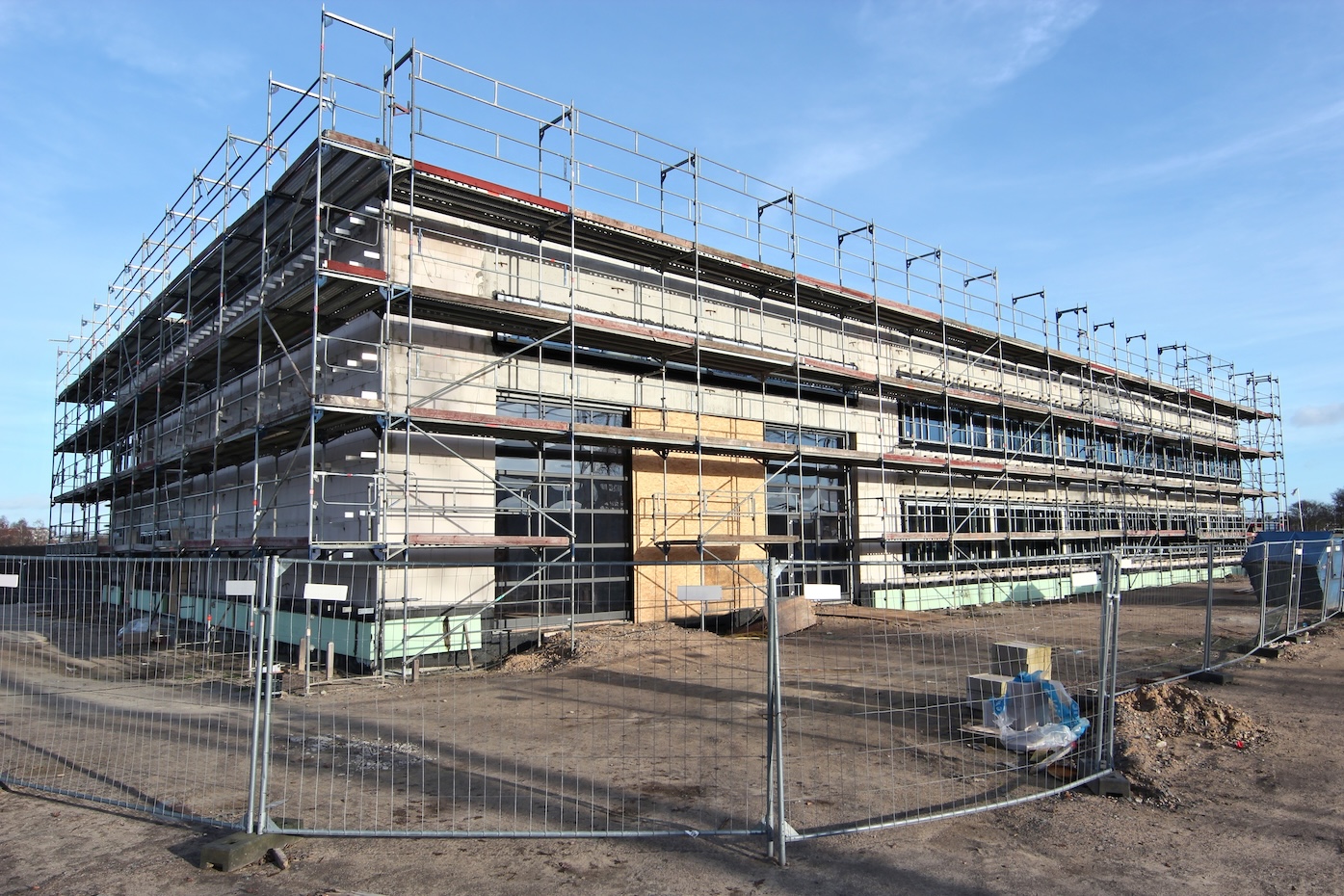
OSHA’s subpart G, which covers signs, signals, and barricades, requires that traffic control signs and devices protecting workers conform to the Manual on Uniform Traffic Control Devices (MUTCD). In plain language, that means your signage needs to be legible, properly placed, and use the right colors and symbols for the hazard being communicated. A hand-lettered cardboard sign that says “danger” is not going to satisfy an inspector.
For sites that operate after dark or in low-light conditions, reflective barriers and properly positioned lighting are not optional. Rail barricades, which are one of the two primary barricade types OSHA recognizes, must carry orange-and-white retro-reflective markings positioned at 45-degree angles relative to traffic flow. The goal is that anyone approaching a hazard zone, whether on foot or behind the wheel of a vehicle, can see it clearly before they are close enough for it to matter.
Night work sites that sit adjacent to public roads have an added layer of responsibility. The combination of active equipment, reduced visibility, and nearby vehicle traffic creates a situation where lighting and reflective fencing are doing real protective work, not just satisfying a checklist.
6. Debris Netting and Privacy Screens
Debris netting and privacy screens are often treated as optional upgrades, but on many sites they are doing essential safety work. In urban environments especially, fencing that faces a public sidewalk or street is a first line of defense against falling objects, wind-blown materials, and construction dust reaching pedestrians who have every right to walk past your project without getting pelted.
Privacy screens attached to chain-link panels also serve a secondary purpose that project owners tend to appreciate: they make the site look intentional. A construction site that is visually contained signals that the people running it have thought about their neighbors, which tends to smooth relationships with local residents, business owners, and city officials who might otherwise have opinions about your timeline.
For high-rise and urban infill projects from Seattle to Miami to Columbus, debris containment fencing with attached netting has become effectively standard practice, whether or not a specific local ordinance requires it. The liability math makes it an easy call.
7. Integration with Traffic Control Plans
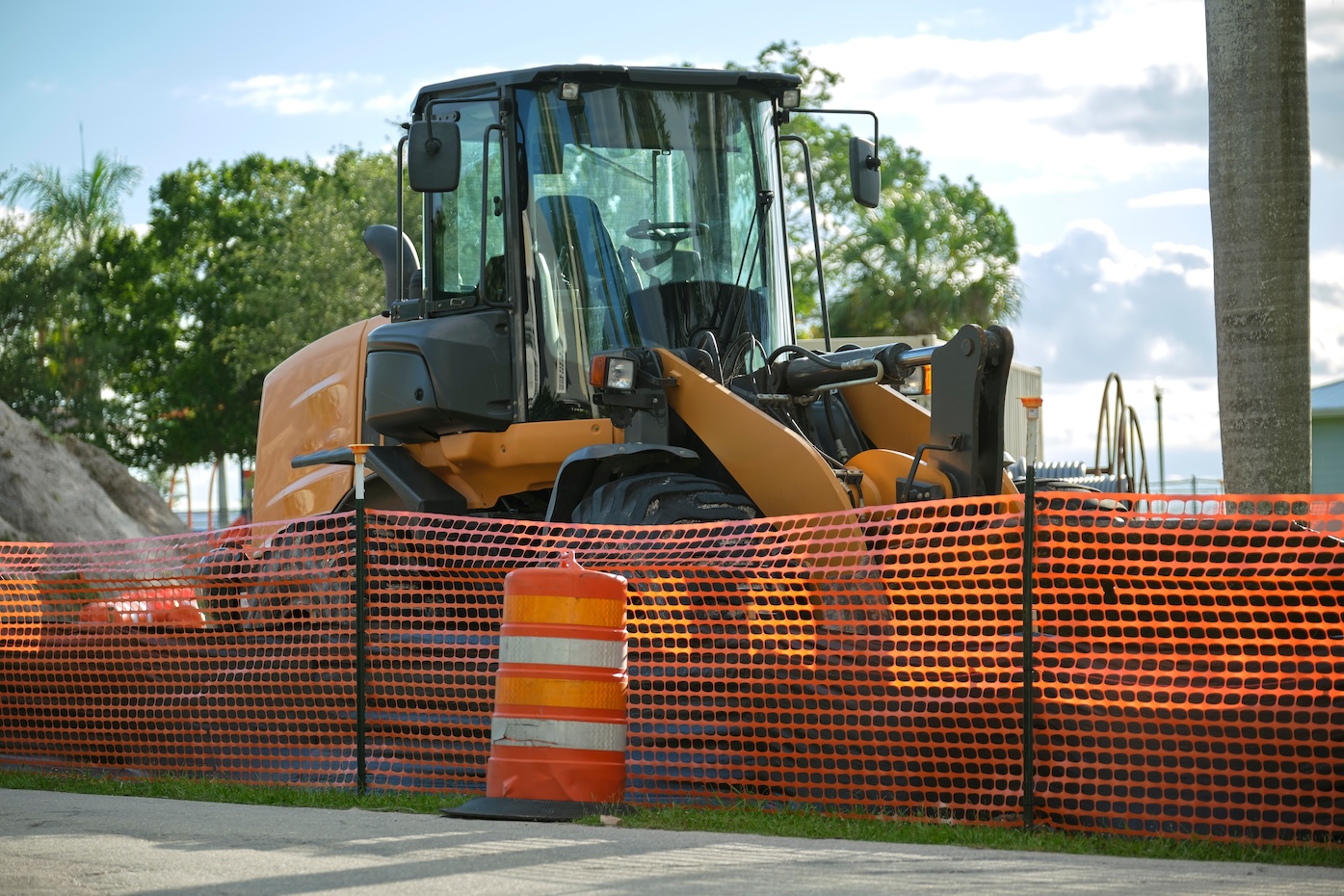
Any construction site that affects a public road, sidewalk, or shared pedestrian space needs a traffic control plan, and that plan and your fencing strategy need to work together. OSHA standard 1926.752 requires adequate access roads through the site for safe delivery and movement of equipment. Local transportation departments typically layer on their own requirements for pedestrian redirection, lane closures, and signage sequencing.
The practical upshot is that your perimeter fencing and your traffic control plan should be designed in conversation with each other, not as separate documents that happen to coexist. Where the site boundary meets a roadway or sidewalk, you need barriers that channelize pedestrians safely, maintain required clearance distances for vehicle traffic, and connect clearly to whatever temporary walkways or crossings you have established. Pedestrian channelizing devices under OSHA standards must be detectable by cane users and have continuous surfaces between two and 32 inches above the ground. That is a design requirement, not an afterthought.
OSHA Inspection Readiness and Documentation Requirements
An OSHA inspector who shows up on your site is going to look at your fencing system with a fairly specific set of questions in mind. Is the perimeter stable and secure? Do the gates work and lock properly? Is the signage visible and code-compliant? Are hazard zones clearly separated from work and public areas? Can workers exit the site quickly in an emergency? Those are the big ones.
What many contractors underestimate is the documentation piece. OSHA requires daily inspections of excavations and their protective systems by a competent person, per 1926.651. That inspection needs to be logged, dated, and retained. The same discipline should apply to your fencing system as a whole. A daily fence inspection log is not bureaucratic busywork; it is evidence that you took the job seriously, and it is the kind of thing that can make a meaningful difference if an incident occurs and liability is in question.
Maintenance records matter for the same reason. If a fence panel was damaged and repaired, write it down. If a gate lock was replaced, write it down. If a section of fencing was reconfigured as the project moved to a new phase, write it down with the date and who made the call. The paper trail is not your enemy. The paper trail is what demonstrates that your site was being managed by people who knew what they were doing.
Daily Fence Inspection Checklist
Run through this checklist each morning before work begins. It takes ten minutes and has prevented a lot of expensive afternoons.
- Fence stability: walk the perimeter and check for leaning panels, gaps at ground level, or sections that have been pushed out of position overnight.
- Gate function: test every gate latch and lock. Confirm that emergency egress gates open freely from the inside without tools or keys.
- Signage condition: verify that warning signs are still legible, upright, and correctly positioned at all entry points and hazard zone boundaries.
- Lighting (night sites): confirm that all required lighting and reflective markers are operational and correctly positioned.
- Debris netting: inspect netting and privacy screens for tears, detachment from panels, or accumulation of material that could create a load or visibility issue.
- Ground clearance: check that no debris, tools, or materials have been placed against fencing in ways that create climbing hazards or obstruct the perimeter.
- Excavation perimeter: verify that fencing around any open excavation is fully intact and that no material or equipment has been placed closer than two feet from the edge.
- Traffic control connection: confirm that perimeter fencing connects correctly to any active traffic control devices, pedestrian channelization, or temporary walkways on the public side of the site.
Common OSHA Violations Related to Construction Fencing
OSHA’s most frequently cited construction violations year after year involve fall protection and hazard communication, and fencing failures feed directly into both categories. Here are the patterns that show up most often during inspections and incident reviews across the country.
- Open or unsecured gates that allow unauthorized entry, particularly overnight or on weekends when the site is not actively supervised.
- Missing or damaged signage at access points and around hazard zones, either because it was never installed or because it was not maintained after weather or site activity knocked it around.
- Inadequate perimeter fencing around excavations, including fencing that was set too far from the edge of a trench or that had gaps large enough for a person or piece of equipment to pass through.
- Blocked emergency exits, which happen more often than you would expect, usually because materials got stacked near a gate that was not being actively used.
- Poor lighting at night-active sites or near road-adjacent barriers, leaving reflective requirements unmet and creating hazards that are entirely avoidable.
- Fencing that was correct at the start of the project but was not updated as the site layout changed with each construction phase.
The consequences of these failures stack up quickly. OSHA fines for serious violations can reach several thousand dollars per incident. Repeat violations carry multipliers. Work stoppages are expensive in ways that go far beyond the fine itself. And liability exposure in the event of an injury or incident involving the public can dwarf all of those numbers combined.
Best Practices for OSHA-Compliant Site Fencing
Compliance is the floor, not the ceiling. Here is what the best-managed sites across the country do to stay on the right side of inspections and keep their crews working without interruption.
- Conduct daily inspections at the start of every shift and log them every single time, not just when something looks wrong.
- Use modular fencing systems that can be reconfigured quickly as the project moves through phases, rather than treating your initial layout as permanent.
- Maintain clear emergency pathways and communicate their location to every worker during site orientation, not just the safety officer.
- Designate one person per shift as responsible for fencing conditions, giving that person authority to stop work near any section that fails inspection.
- Train all workers on the access control rules, including which gates are for personnel and which are for vehicles, and what to do if they find a gate unsecured.
- Plan your fencing layout in coordination with your traffic control plan from the start, rather than retrofitting one around the other after delivery day.
- When in doubt about local requirements, call your city or county transportation or building department before you install. Local rules in municipalities from Portland to Atlanta to Dallas often add requirements that go beyond the federal baseline.

How ASAP Marketplace Helps Ensure OSHA-Compliant Site Safety
Getting fencing right from the start is easier when you are working with people who have done it before, across every type of project and every kind of site. ASAP Marketplace works with a nationwide network of vetted fencing vendors to deliver and install temporary fencing and barricade systems that are sized and configured for compliance from day one. Whether your project is a three-week residential renovation in suburban Ohio or a multi-phase commercial build in downtown Denver, the temporary fencing rental options available through ASAP Marketplace can be matched to your site layout, your project timeline, and your specific OSHA obligations.
The practical benefits are real: faster inspections because your perimeter system was designed with compliance in mind rather than assembled on the fly, lower liability exposure because your documentation and daily inspection process is built into the service, and less time managing fencing logistics when you should be managing the actual project.
For contractors and project managers who work across multiple sites or maintain a steady volume of rentals, the ASAP MVP Loyalty Program offers priority support, volume pricing, and a dedicated advisor who can coordinate fencing alongside dumpsters, portable toilets, and any other site services you need. One vendor, one point of contact, every site covered.
Building Compliance from the Perimeter In
The perimeter is where site safety starts. It is the first thing an inspector sees, the first thing a neighbor notices, and the first line of protection for everyone who works inside it and walks past it. Get it right from the start, inspect it every day, update it as the project evolves, and document everything along the way.
Start your compliant fencing layout with ASAP Marketplace. You can order online or call us at 888-413-5105.
