


How to Safeguard Against Dumpster Pest Infestations
Rats and roaches and raccoons. Oh my! Managing a construction site or running a business is challenging enough without the added headache of a dumpster pest infestation. Whether it’s termites feasting on discarded wood, insects and rodents scavenging for food scraps, or other critters wreaking havoc, dumpster pests can cause significant disruptions and pose safety hazards. Fortunately, there are steps you can take to prevent dumpster pest infestations, no matter your industry. Here’s how you can protect your site and operations.
Keep Your Dumpster Covered and Locked
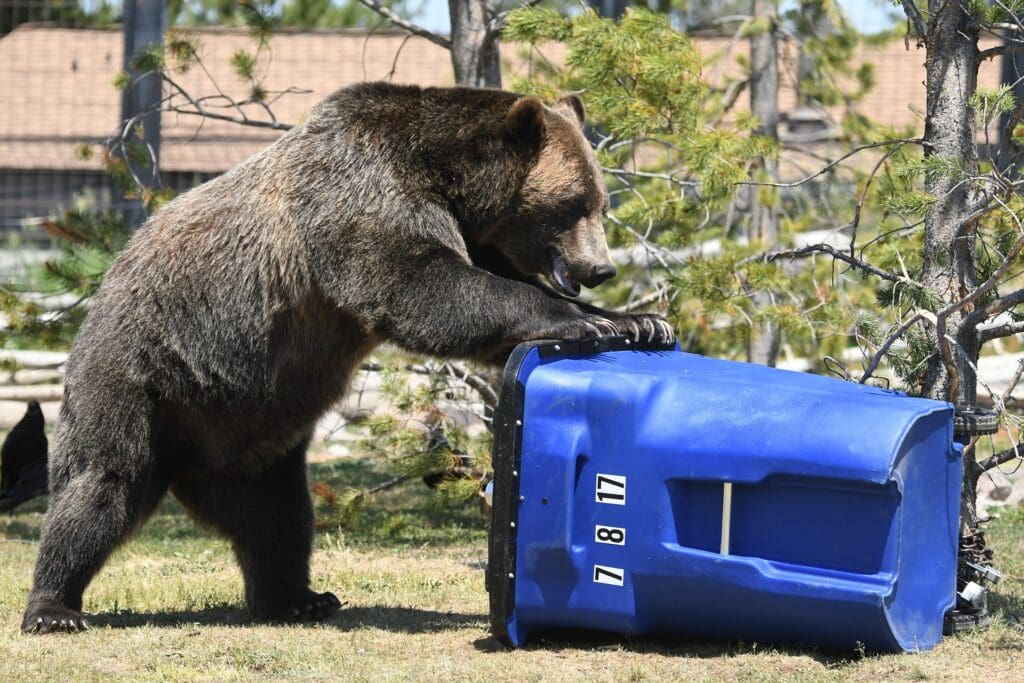
One of the most effective ways to prevent dumpster pest infestations is by limiting access to the dumpster. Keeping the dumpster covered as much as possible—especially after working hours—is crucial. A closed lid helps keep pests like raccoons, which are notorious for their ability to break into trash receptacles, out of your dumpster. If possible, add a lock to your dumpster for an extra layer of protection. Not only will this help prevent pests from getting inside, but it will also deter human dumpster divers from tampering with your waste.
Position Your Dumpster at Least 50 Feet Away from Buildings
The location of your dumpster plays a significant role in preventing pest infestations. Ideally, your dumpster should be placed at least 50 feet away from your office or commercial building—100 feet is even better. This distance minimizes the chance of pests migrating from the dumpster to your workspace, reducing the risk of an indoor infestation. Additionally, keeping the dumpster away from your building helps reduce unpleasant odors that could seep into your workspace.
Avoid Exceeding the Dumpster’s Weight Limit
Overfilling a dumpster can compromise its integrity, making it more vulnerable to pests. When a dumpster is overfilled, it’s often difficult or impossible to close the lid properly, leaving it exposed to pests. Additionally, exceeding the weight limit can weaken the structure of the dumpster, making it easier for pests to find entry points. Dumpsters are built to withstand heavy loads, but overloading them with excess weight can cause damage, potentially leading to an infestation. To prevent this, monitor your dumpster’s fill level and consider renting an additional dumpster or adjusting your pickup schedule if you find yourself filling up quickly.
10-yd Dumpsters

- Dimensions: 3.5 ft High, 8 ft wide & 10 ft long
- Weight limit: 2,000 lbs (1 ton)
- Best for: single-room remodels, home cleanouts & small landscaping jobs
- Average pricing: $200 to $575 per haul
15-yd Dumpsters

- Dimensions: 4 ft High, 8 ft wide & 12 ft long
- Weight limit: 2,000 lbs (1 ton)
- Best for: residential cleanouts, small home renovations & construction projects
- Average pricing: $250 to $650 per haul
20-yd Dumpsters

- Dimensions: 4.5 ft High, 8 ft wide & 22 ft long
- Weight limit: 4,000 lbs (2 tons)
- Best for: medium-scale renovation projects or remodels
- Average pricing: $275 to $700 per haul
30-yd Dumpsters
- Dimensions: 6 ft High, 8 ft wide & 22 ft long
- Weight limit: 6,000 lbs (3 tons)
- Best for: new construction, large scale renovations & demolitions
- Average pricing: $300 to $725 per haul
40-yd Dumpsters
- Dimensions: 8 ft High, 8 ft wide & 22 ft long
- Weight limit: 8,000 lbs (4 tons)
- Best for: commercial construction projects, landscaping & disaster clean-up
- Average pricing: $350 to $800 per haul
Place Your Dumpster on a Solid, Flat Surface
Where you place your dumpster is just as important as how you fill it. We strongly recommend placing the dumpster on a solid, flat surface, such as concrete or asphalt. If these surfaces aren’t available, consider laying down plywood or another sturdy base. Avoid placing the dumpster on grass or dirt, as these surfaces can accumulate moisture, creating an ideal breeding ground for pests. A stable, dry surface will help deter pests and make it easier to maintain a clean, pest-free dumpster area.
Consider the Impact of Weather on Pest Activity
Weather conditions can influence pest activity, particularly during warm, humid months when insects like fruit flies are most active. High temperatures and humidity can exacerbate pest problems, so it’s essential to be proactive in managing your dumpster during these times. Regularly check the dumpster for signs of infestation and take steps to address any issues before they escalate.
Preventing dumpster pest infestations requires a combination of strategic placement, proper usage, and proactive maintenance. By keeping your dumpster covered and locked, positioning it away from buildings, avoiding overfilling, and placing it on a solid surface, you can significantly reduce the risk of attracting pests. Being mindful of weather conditions and making timely adjustments to your waste management practices will further protect your site from unwanted visitors. Implement these tips to keep your dumpster pest-free and ensure a hassle-free waste management experience. Please feel free to visit our dumpster resource guide or speak with an ASAP advisor today.
10-yd Dumpsters
- Dimensions: 3.5 ft High, 8 ft wide & 10 ft long
- Weight limit: 2,000 lbs (1 ton)
- Best for: single-room remodels, home cleanouts & small landscaping jobs
- Average pricing: $200 to $575 per haul
15-yd Dumpsters
- Dimensions: 4 ft High, 8 ft wide & 12 ft long
- Weight limit: 2,000 lbs (1 ton)
- Best for: residential cleanouts, small home renovations & construction projects
- Average pricing: $250 to $650 per haul
20-yd Dumpsters
- Dimensions: 4.5 ft High, 8 ft wide & 22 ft long
- Weight limit: 4,000 lbs (2 tons)
- Best for: medium-scale renovation projects or remodels
- Average pricing: $275 to $700 per haul
30-yd Dumpsters
- Dimensions: 6 ft High, 8 ft wide & 22 ft long
- Weight limit: 6,000 lbs (3 tons)
- Best for: new construction, large scale renovations & demolitions
- Average pricing: $300 to $725 per haul
40-yd Dumpsters
- Dimensions: 8 ft High, 8 ft wide & 22 ft long
- Weight limit: 8,000 lbs (4 tons)
- Best for: commercial construction projects, landscaping & disaster clean-up
- Average pricing: $350 to $800 per haul
