


Portable Restrooms for Multi-Day Festivals: A Capacity Planning Guide
Running the logistics for a multi-day outdoor festival is no small feat. Between stages, vendors, crowd flow, and weather contingencies, it is easy to overlook one of the most consequential details: where people are going to use the restroom. Festival portable toilets planning is a discipline all its own, and getting it wrong has consequences that show up fast. Long lines, odor complaints, and unsanitary conditions can define an attendee’s entire experience. Whether you are hosting a three-day music showcase, a regional food and arts fair, or a weekend camping retreat, the variables of crowd size, event duration, overnight usage, alcohol consumption, and peak traffic windows all feed into how many portable restrooms you need and how often they must be serviced. This guide walks organizers through the full picture.
Why Restroom Planning Is Critical for Multi-Day Gatherings
Sanitation is not a glamorous line item, but it is one of the most visible indicators of event quality. Attendees may forget the headliner but they will never forget waiting 20 minutes for a porta potty at midnight. Solid restroom infrastructure is the foundation of a positive crowd experience, and it has real implications for health, safety, and regulatory compliance.
Impact on Attendee Experience
Long lines at restroom stations create bottlenecks that ripple through an entire venue. Crowd members miss performances, miss vendor sales windows, and miss the enjoyment they paid to have. On the flip side, adequate access distributed intelligently across the grounds keeps people moving, happy, and spending. Cleanliness is equally important. A well-serviced unit reinforces the sense that organizers care about the people who showed up. A neglected one communicates the opposite, and word travels fast on social media.
Health, Safety, and Compliance
Sanitation standards at public gatherings are not optional. Most municipalities require a minimum ratio of restroom units to expected attendance, and ADA regulations mandate a specific percentage of accessible units at any event open to the public. Beyond compliance, inadequate sanitation creates genuine public health risks. High-density crowds with insufficient restroom access lead to unsanitary conditions that can spread illness quickly. The cost of underestimating restroom needs, in liability, reputation, and cleanup, far exceeds the cost of renting a few additional units.
No products found.Core Factors in Festival Portable Toilets Planning
Accurate capacity planning starts with understanding the inputs that drive demand. There is no universal formula that works for every outdoor event, but these are the variables that matter most.
Attendance and Crowd Turnover
Total event attendance and daily attendance are two different numbers, and planners need to work with both. A three-day celebration with 30,000 registered attendees may have 12,000 people on the grounds at any one time, but if camping is permitted, some of those individuals are on-site around the clock. Multi-day accumulation effects matter too: portable restroom usage increases as the event progresses and units fill faster than they would at a single-day affair.
Event Duration and Overnight Camping
Events with on-site camping create a very different usage curve than day-only gatherings. Campers use restrooms in the early morning hours, late at night, and during periods when day-only attendees have gone home. These low-traffic overnight windows are exactly when units tend to go unserviced, setting up a rough start for the following day. Early morning pump-outs before the main crowd arrives are essential at any camping event.
Alcohol and Food Consumption
It is no secret that alcohol increases restroom frequency. Events with active beverage service, craft beer gardens, or late-night bars can see restroom usage run 20 to 40 percent higher than comparable dry events. Food-heavy gatherings create similar patterns. Planners should account for the beverage-to-attendance ratio when setting unit counts and adjust servicing schedules accordingly. A family-friendly daytime event and a music celebration with full bar service are simply not the same sanitation challenge, even if the headcount is identical.
Calculating Restroom Capacity for Multi-Day Events
Getting to the right number of units requires a baseline calculation adjusted for the realities of your specific event. The industry standard starting point is one portable restroom unit per 50 attendees for events lasting up to six hours. For multi-day gatherings, that ratio tightens. A common recommendation for events exceeding eight hours or spanning multiple days is one unit per 50 attendees with a planned servicing interval, or one unit per 75 to 100 attendees if multiple daily pump-outs are built into the schedule. A portable toilet rental calculator can help you model demand based on your specific event parameters.
Use the ASAP Marketplace Portable Toilet Rental Calculator
Adjustments for Peak Times
Demand does not stay flat across an event day. Usage spikes sharply during set breaks, immediately after headliner performances, and during the last hour before a venue closes for the evening. These surges can increase usage by 50 percent or more over baseline. Planners should either overstock units to absorb peaks or ensure that servicing runs are timed to happen before the most predictable surges, not during them.
VIP vs. General Admission Split
VIP sections carry a different restroom expectation. Attendees paying a premium expect shorter lines, cleaner units, and often upgraded facilities like restroom trailers with climate control, lighting, and hand-washing stations. A standard GA ratio of one unit per 75 attendees might be acceptable in a general crowd setting, but VIP areas typically call for one unit per 35 to 50 people, with more frequent servicing cycles. Separating these populations also keeps your GA unit counts from being inflated by premium attendees who would rather wait than use a standard unit.
ADA Compliance and Inclusive Planning
Accessibility is not an afterthought. It is a legal requirement and a basic matter of dignity for attendees with disabilities.
ADA Toilet Ratios
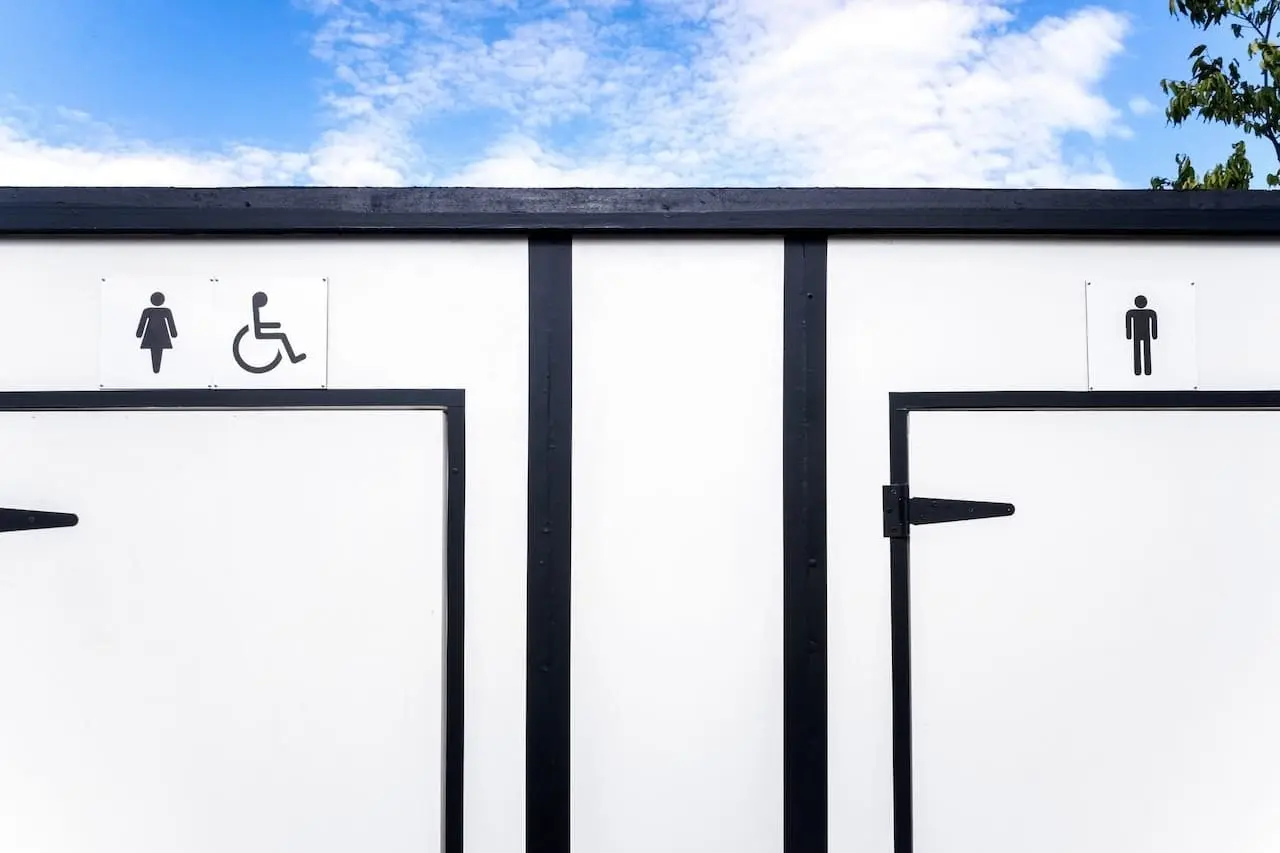
The Americans with Disabilities Act requires that at least one ADA-accessible portable restroom unit be provided for every 20 standard units. Some state and local jurisdictions set a higher threshold. As a practical planning target, many event organizers aim for ADA units to represent at least 5 to 10 percent of total restroom inventory, depending on the expected demographic and the scale of the gathering.
Strategic Placement
ADA units must be placed on stable, level surfaces that are accessible from main pathways. They should not be tucked into corners or placed on uneven terrain. Clear signage from multiple approach directions ensures that attendees who need accessible facilities can locate them without assistance. Placement near first aid stations and information booths is a smart secondary consideration.
Standard Portable Toilet
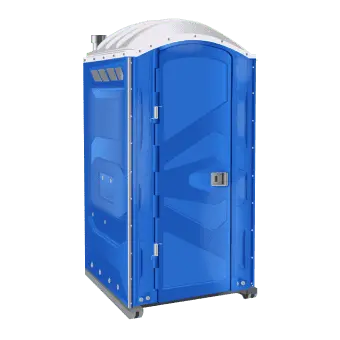
- Best for: Mostly universal — they work well for commercial or construction projects or events.
- Average Pricing: $150 – $185
ADA Handicap Portable Toilet
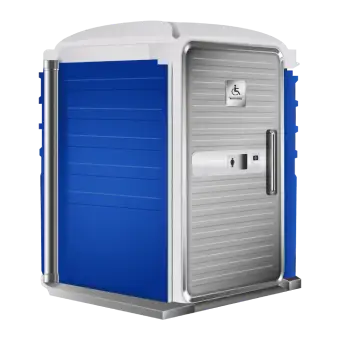
- Best for: Large events or job sites where you’re accommodating person(s) with disabilities.
- Average Pricing: $200 – $300
Portable Toilet with Sink
- Best for: Events, construction sites, and other locations with limited access to handwashing facilities.
- Average Pricing: $240 – $275
Flushable Portable Toilet
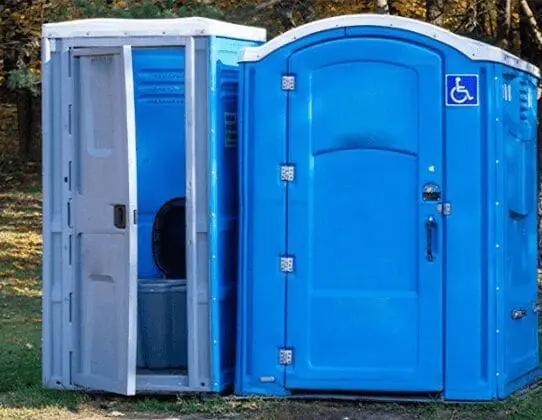
- Best for: Formal events when you want classic flushing functionality & a more sanitary option to control odors.
- Average Pricing: $350 – $400
High-Rise Portable Toilet
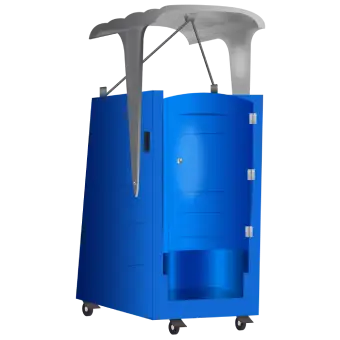
- Best for: Events or construction sites in high-rise buildings or elevated locations.
- Average Pricing: Quote Only
Restroom Trailer (with 2, 3, 5, 8, or 10 stalls)
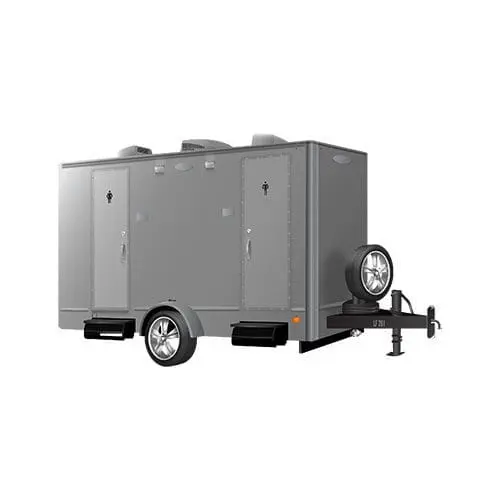
- Best for: Large outdoor events like concerts, fairs, festivals, weddings, parties, reunions, or sporting events.
- Average Pricing: $2K – $10K+
Portable Sink
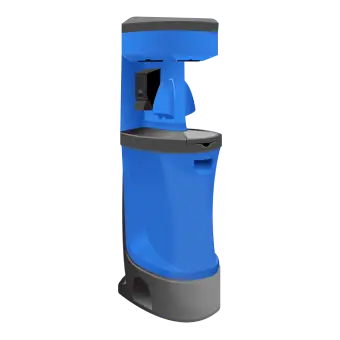
- Best for: Providing guests with superior handwashing options to combat germs & maintain cleanliness.
- Average Pricing: $150 – $185
Servicing Frequency for Multi-Day Gatherings
The number of units you deploy means nothing if they are not serviced on a schedule that keeps pace with usage. A freshly pumped, well-stocked portable restroom is an asset. One that has been ignored for 18 hours is a complaint waiting to happen.
Daily vs. Multiple Daily Servicing
Single-day events in mild weather with moderate attendance can typically get by with one service run per day. Multi-day outdoor events almost always need at least twice-daily servicing by day two, and more frequent runs in high-density zones or during hot weather. Heat accelerates odor and waste degradation, which means summer gatherings have a shorter window between acceptable and unacceptable unit conditions than spring or fall events.
Signs You Need More Frequent Pump-Outs
There are several clear indicators that your servicing schedule is falling behind demand. Odor extending more than a few feet from a unit is a primary signal. Visible waste approaching capacity, long lines forming consistently at specific clusters, or complaints reported to event staff all suggest that your pump-out cadence needs adjustment. It is far better to schedule an extra service run as a precaution than to manage a sanitation incident in real time. Additionally, consider pairing restroom rentals with dumpster service for comprehensive waste management across your grounds.
Explore dumpster rentals for your event through ASAP Marketplace
Gathering-Specific Restroom Servicing Schedule
The table below provides a practical reference for servicing cadence across a typical three-day outdoor gathering. Actual frequency may vary based on attendance density, weather, and alcohol service levels.
| Festival Day | Attendance Level | Recommended Servicing Frequency | Notes |
|---|---|---|---|
| Day 1 | Moderate | 1x per day | Initial usage buildup |
| Day 2 | High | 2x per day | Peak attendance |
| Day 3 | Very High | 2-3x per day | Maximum strain |
| Overnight | Campers only | 1x early morning | Pre-peak reset |
Placement Strategies for Maximum Efficiency
Where you put your units is nearly as important as how many you have. Poorly placed restrooms create traffic jams, reduce usage, and generate complaints even when the total unit count is technically sufficient.
High-Traffic Zones
Restroom clusters belong near the places where people congregate most: main stages, food and beverage courts, entrance and exit gates, and camping entry points. The goal is to make restrooms easy to find and easy to reach without requiring attendees to travel far from the action. A good rule of thumb is that no attendee should need to walk more than two to three minutes to reach a restroom from any point on the grounds.
Distributed Layout
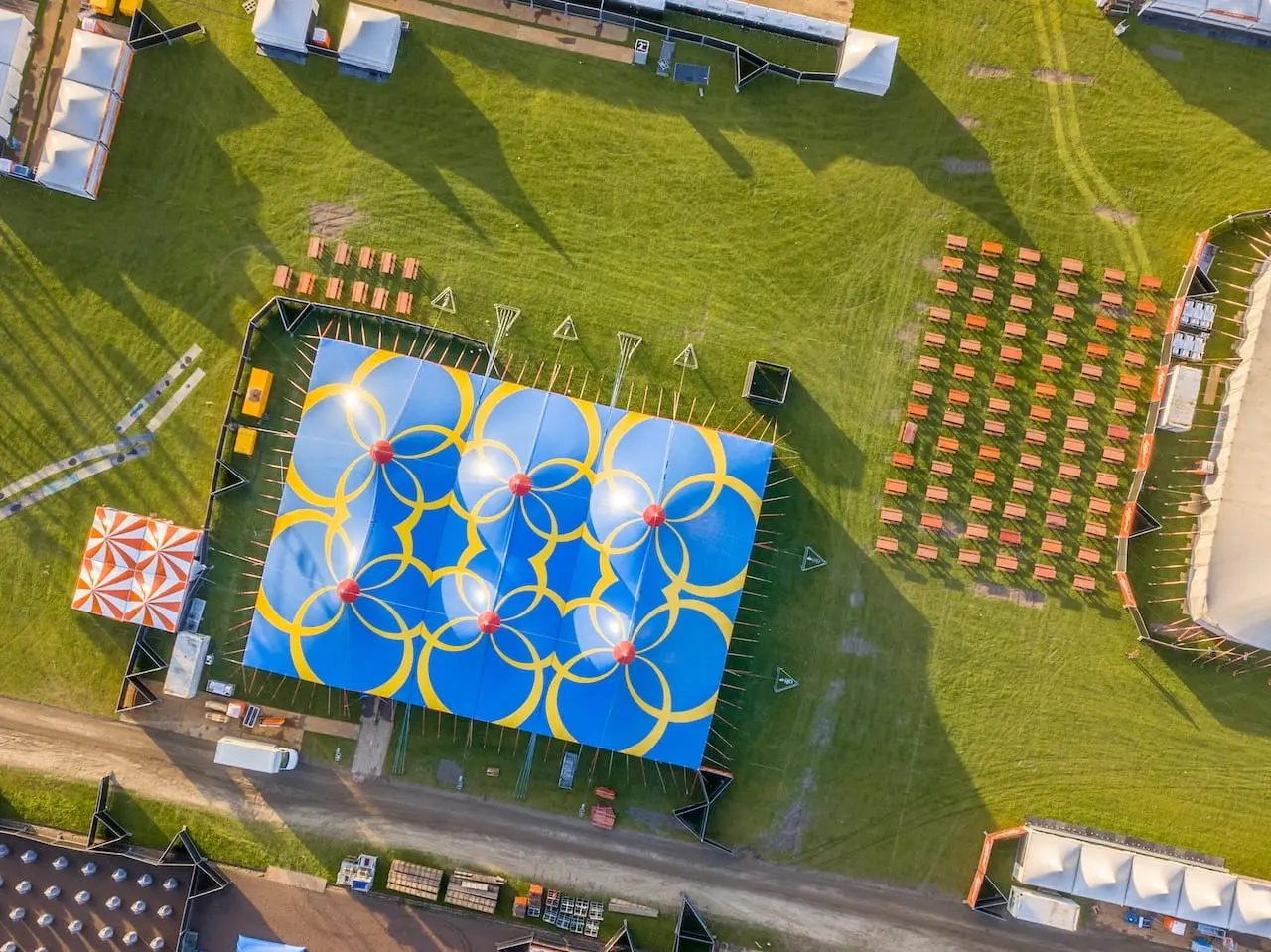
Concentrating all restroom units in a single location is a common mistake that creates unnecessary congestion and limits accessibility for large portions of the crowd. Distributing units in multiple clusters across the venue reduces wait times, improves flow, and ensures that attendees in remote areas of the grounds are not making a long trek every time nature calls. Consider placing smaller satellite clusters near secondary stages and camping areas in addition to the main restroom hubs.
Common Mistakes in Outdoor Event Restroom Planning
Even experienced event organizers fall into predictable traps when it comes to sanitation logistics. Here are the ones worth avoiding:
- Underestimating peak demand by planning for average usage rather than surge conditions
- Ignoring overnight usage at camping events, which leaves units at or near capacity before the morning rush
- Skipping scheduled servicing or allowing service runs to slip because of venue access complications
- Failing to separate VIP and general admission restroom needs, creating frustration in premium sections
- Placing all units in one area rather than distributing them across the venue for balanced access
Plan for the Crowd, Not Just the Headcount
Every outdoor gathering is a logistical puzzle, and restroom capacity is one of the pieces that cannot be improvised. Proper festival portable toilets planning accounts for daily attendance fluctuations, overnight campers, alcohol consumption, VIP expectations, ADA compliance, and a servicing cadence that keeps units clean from opening hour to last call. Get those elements right and your attendees will hardly think about the restrooms at all, which is exactly the outcome you want.
Less hassle, more control. Get your porta potties and roll off dumpsters from ASAP Marketplace in one simple step.
