


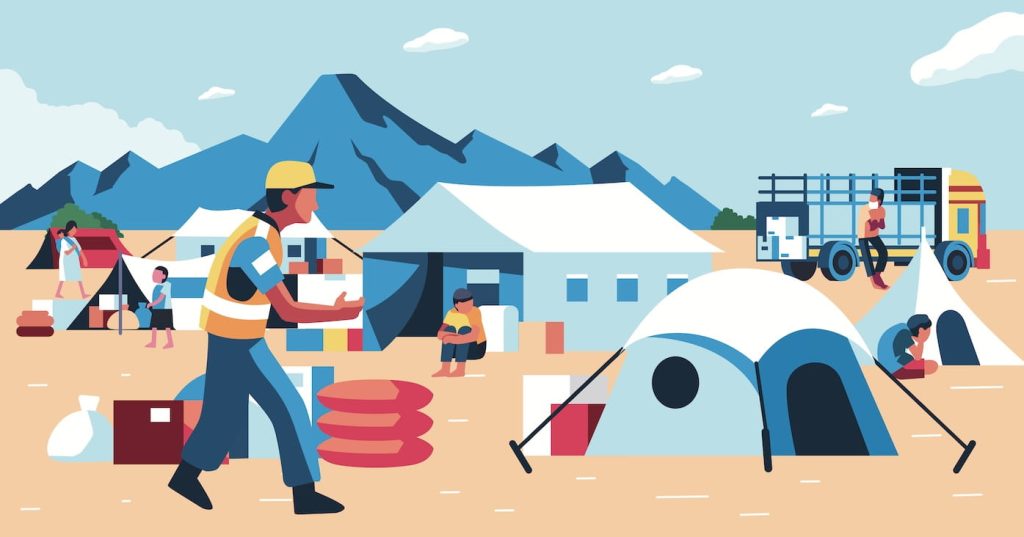
Portable Toilet Rentals for Disaster Relief & Emergency Response
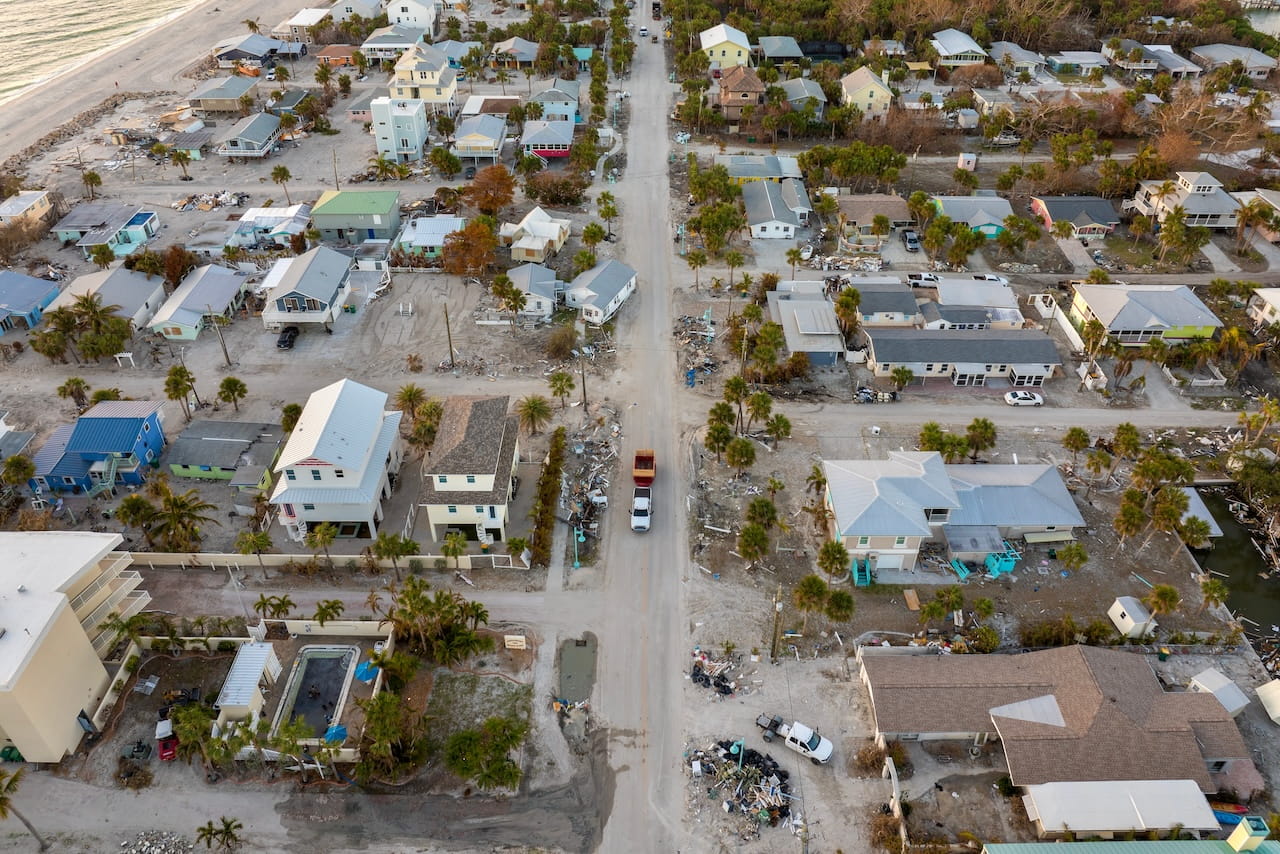
When disaster strikes, access to clean, functioning restrooms disappears fast. Flooding overwhelms sewer systems, earthquakes knock out water lines, wildfires force mass evacuations, and hurricanes leave entire communities without any working infrastructure for weeks. In those moments, emergency portable toilet rental becomes a critical tool for protecting public health, maintaining human dignity, and supporting the relief workers who show up first. Temporary restroom facilities bridge the gap between infrastructure failure and recovery, giving displaced residents and emergency crews the sanitation access they need when permanent systems cannot deliver it.
Why Sanitation Is Essential During Disaster Relief Operations
Disasters do not just damage buildings and roads. They disable the underground systems that modern sanitation depends on. When water mains break and sewage lines fail, communities lose the ability to manage human waste safely, and the consequences escalate quickly.
Public Health and Safety Considerations
Inadequate waste management in the aftermath of a disaster creates conditions for disease outbreaks. Waterborne illnesses such as cholera, typhoid, and hepatitis A spread rapidly when human waste contaminates water sources, food preparation areas, or shared living spaces. Vulnerable populations, including the elderly, children, and people with compromised immune systems, face the highest risk.
Portable sanitation solutions interrupt that chain of contamination. Properly positioned and regularly serviced portable toilets contain waste safely, keep it out of floodwaters and soil, and protect both the immediate community and downstream water supplies.
Supporting First Responders and Relief Workers
Sanitation is also an operational issue for the people running the response. First responders, search and rescue teams, National Guard units, and FEMA contractors working long shifts at staging areas and command centers need reliable restroom access to maintain productivity, stay healthy, and remain on site. Without adequate facilities, worker morale drops and operational efficiency suffers at exactly the moment it matters most.
| Disaster Type | Common Sanitation Challenges | Portable Toilet Solution |
| Floods | Sewer system failure | Rapid deployment units |
| Wildfires | Mass evacuations | Temporary restroom stations |
| Hurricanes | Infrastructure damage | Long-term portable facilities |
| Earthquakes | Utility disruption | Emergency sanitation support |
Emergency Portable Toilet Rental Services: What to Expect
Emergency restroom rentals operate under a different set of expectations than standard event or construction rentals. Speed, flexibility, and sustained support over an unpredictable timeline define quality service in a disaster context.
Fast Delivery and Deployment
Reputable emergency response equipment providers maintain 24/7 dispatch capabilities and strategic inventory positioned across regional networks to support rapid deployment. Mobilization timelines for well-coordinated portable sanitation solutions typically fall within 24 to 72 hours of initial contact, depending on the scale of the disaster and road accessibility in the affected area. Providers experienced in disaster site sanitation are accustomed to setting up in difficult environments, including areas with damaged roads, no power, and limited staging space.
Flexible Rental Terms
Disaster recovery rarely follows a predictable schedule. Emergency rental agreements should reflect that reality with short-term options for immediate response phases and the ability to extend into long-term recovery operations as needed. Scalability matters too. A response that begins with 20 units serving an evacuation center may need to expand to 100 units within 48 hours as the shelter population grows.
Maintenance and Waste Removal
Temporary waste management does not stop at delivery. Regular servicing keeps units sanitary and functional throughout the emergency. In high-use scenarios such as large shelters or base camps, service frequency may need to exceed standard schedules. Providers should be able to accommodate sanitation surge modeling, adjusting pump-out intervals based on occupancy data and usage rates. Ongoing supply replenishment, including toilet paper, hand sanitizer, and seat covers, should be included in any disaster response service agreement.
Types of Portable Toilets Used in Emergency Situations
Disaster response calls for more than one type of unit. The right mix depends on who is being served, where facilities need to be placed, and how long the response will run.
Standard Portable Toilets
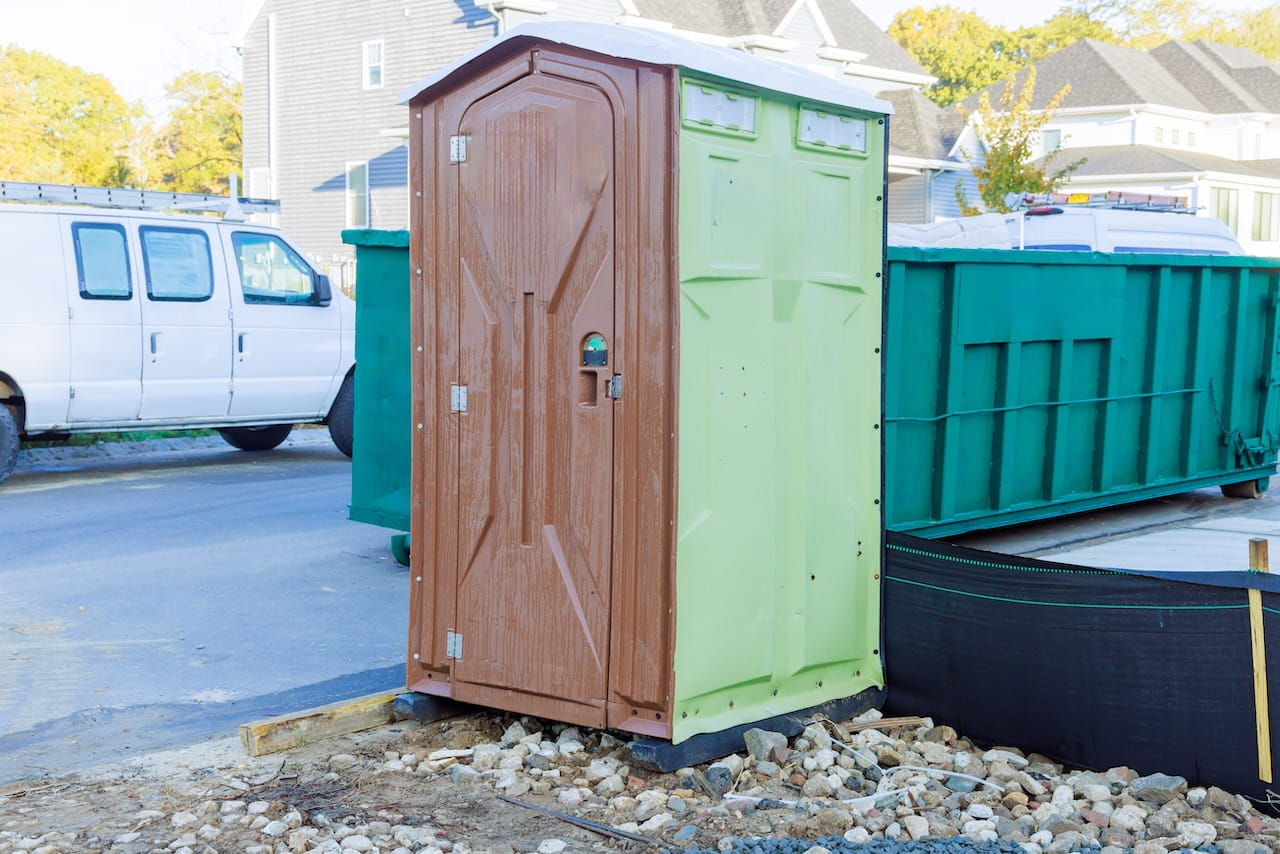
Standard units are the fastest-deploying, most cost-effective option for serving large numbers of displaced residents quickly. They require no external water or power connections, making them well suited to areas where infrastructure is compromised. For general public use at evacuation sites, community support centers, and along relief distribution corridors, standard units form the backbone of any emergency sanitation deployment.
ADA-Compliant Portable Restrooms
Accessibility cannot be an afterthought during a disaster. ADA portable toilets provide the additional interior space, grab bars, and accessible hardware that people with disabilities, mobility limitations, and injuries sustained during the disaster require. Every deployment at an emergency shelter or community relief site should include an appropriate ratio of ADA-compliant units positioned on firm, level ground with an accessible path from nearby sheltering areas.
Handwashing Stations
Portable sink stations for handwashing are essential companions to any restroom deployment during a disaster. They support basic hygiene at a time when running water is unavailable, reduce the spread of gastrointestinal illness in crowded shelter environments, and are typically required at any site where food is being distributed. Stations should be placed adjacent to restroom clusters and near food service areas for maximum compliance and usability.
Portable Restroom Trailers
Restroom trailers bring a level of comfort and functionality that makes them the right choice for emergency management teams, incident command centers, medical staging areas, and long-duration field operations. Climate-controlled, with running water, flushing toilets, and interior lighting, trailers support the personnel who need to remain on site for extended periods without access to permanent facilities.
| Unit Type | Best For | Key Benefits |
| Standard Unit | General public | Fast deployment |
| ADA Unit | Accessibility needs | Extra space and compliance |
| Handwashing Station | Hygiene support | Improved sanitation |
| Restroom Trailer | Staff and officials | Enhanced comfort |

Common Emergency and Disaster Scenarios Requiring Portable Toilets
Understanding where and how portable restrooms get deployed helps organizers and relief coordinators plan ahead before a crisis develops.
Natural Disasters
Hurricanes, floods, wildfires, tornadoes, and earthquakes each create distinct sanitation challenges, but all share a common thread: they disable infrastructure faster than it can be repaired. Hurricane relief sanitation deployments often cover wide geographic areas with damaged roads and no power. Flood disaster restroom solutions must account for the possibility that delivery routes are partially submerged. Wildfire evacuations concentrate large numbers of people in temporary sites with no existing restroom infrastructure. Earthquake response requires rapid assessment of structural safety before units can be positioned in affected neighborhoods.
Emergency Shelters and Evacuation Centers
Schools, fairgrounds, community centers, and sports facilities converted into emergency shelters frequently lack the restroom capacity to serve hundreds or thousands of displaced residents. Temporary restroom facilities deployed around the perimeter of shelter sites expand capacity without interfering with interior operations. Coordination with shelter managers on placement and servicing schedules ensures facilities remain clean and accessible throughout the shelter’s operation.
Utility Failures and Infrastructure Emergencies
Not every emergency is a natural disaster. Extended water main breaks, sewer system failures, and major infrastructure repair projects can leave neighborhoods or entire communities without functional restrooms for days or weeks at a time. Mobile restroom rentals fill that gap quickly, keeping residents and businesses operational while repairs proceed.
How to Choose the Right Emergency Portable Toilet Rental Provider
Choosing the wrong vendor during a disaster compounds the problem. These are the factors that matter most when evaluating providers under time pressure.
Availability and Response Time
The single most important factor in a disaster context is how quickly a provider can deliver. Ask specifically about guaranteed delivery windows, after-hours dispatch capabilities, and how the provider prioritizes emergency orders versus standard rental requests.
Equipment Inventory
A provider with limited inventory cannot scale to meet a large-scale disaster. Look for vendors with confirmed access to high unit counts across multiple categories, including standard units, ADA-compliant restrooms, handwashing stations, and restroom trailers.
Service Coverage Area
Disaster response infrastructure needs to operate across wide geographic areas, sometimes spanning multiple counties or states. A nationwide vendor network, rather than a single local operation, provides the flexibility to respond wherever relief is needed.

Experience With Emergency Response Projects
Experience coordinating with FEMA, state emergency management agencies, municipalities, and nonprofit relief organizations is a meaningful differentiator. Providers who have worked in disaster environments understand access restrictions, staging logistics, credentialing requirements, and the urgency that defines every phase of emergency operations.
Questions to Ask Before Renting:
- How quickly can units be delivered to an active disaster site?
- Do you provide ongoing maintenance and waste removal services?
- Can you scale your deployment to support large-scale emergencies?
- Are ADA-compliant units available for immediate dispatch?
Activate Emergency Sanitation Support Through ASAP Marketplace
When a disaster unfolds, there is no time to call vendor after vendor hoping to find available inventory. ASAP Marketplace connects relief coordinators, municipal agencies, contractors, and nonprofit organizations with a nationwide network of vetted portable restroom providers through a single coordinated system.
Through ASAP Marketplace’s portable toilet rental platform , emergency teams can quickly source standard units, ADA-compliant restrooms, handwashing stations, and restroom trailers with flexible terms designed to match the unpredictable timeline of disaster recovery. Servicing schedules are fully customizable to match occupancy levels and site conditions, and support is available for deployments ranging from a single evacuation site to a multi-county response operation.
Whether you are coordinating hurricane relief sanitation, managing an emergency shelter, or responding to a sudden utility failure, ASAP Marketplace makes it faster and simpler to get the right units on the ground. Not sure how many units your site needs? Use the portable toilet quantity calculator to estimate requirements before you place your order.
Explore our portable toilet rentals and dumpster rentals to initiate your comprehensive ASAP Marketplace now to establish an emergency response sanitation plan before you need it, so when disaster strikes, your first call moves units instead of starting a search.
